
The UK is witnessing a surge in renewable energy adoption, with the installation of heat pumps is playing a significant role in the country’s adoption of sustainable energy systems.
While this is good news for the planet, it also means promising opportunities for plumbing and heating businesses…
If you’re interested in pursuing offering eco-friendly heating solutions for your customers, then understanding the heat pump installation process is crucial.
This blog offers installers a straightforward guide to the 10 core steps involved: from the initial customer enquiry, through to preventive maintenance.
We’ll provide detailed insights that’ll help you achieve success, whether that’s impressing potential customers or navigating complex regulatory standards. Let’s get started…

Understanding Heat Pumps
Heat pumps are an innovative solution for heating and cooling homes efficiently, and work by extracting heat from the air or ground and transferring it indoors. Unlike traditional heating systems, they use renewable energy sources, making them environmentally friendly and cost-effective.
Understanding the mechanics of heat pumps is critical for installers., who need to know how these systems operate to convey their benefits effectively to customers. Government incentives promoting renewable energy have also increased demand for demand for skilled engineers, too.
To ensure successful installation, you must be well-versed in its technical aspects and associated regulatory requirements. This knowledge enhances your credibility, and assures customers that they’re investing in a sustainable and highly efficient solution
Ground-Source vs Air-Source Heat Pumps
Before we dive in, it’s worth mentioning that you may encounter requests for both ground-source and air-source heat pumps.
While determining which to install can depend on factors such as the customer’s property, preference, and engineer expertise, the steps covered below will largely be the same for both types. Let’s break down the differences between them:
- Ground-source heat pumps use the earth’s consistent temperature as a heat source or sink, requiring specific installation techniques like borehole drilling or trench digging.
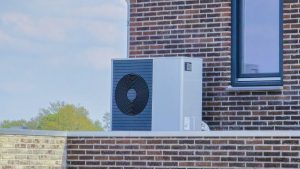
- Air-source heat pumps draw heat from the ambient air outside the home (or warm air from within a home to cool it) and are placed on the outside of a customer’s property.
A site survey is essential in both cases to decide where’s best to place the heat pump, with the ultimate aim of optimising the installation’s effectiveness and performance.
10 Steps Involved in a Heat Pump Installation
This overview will help you consider everything required to successfully install and maintain a heat pump. Let’s take a look:
1. Customer Enquiry & Consultation
Building trust with potential customers is the first step of a heat pump installation. During the initial enquiry, schedule a meeting to discuss potential solutions and any areas of concern.
The consultation is an opportunity to demonstrate your industry knowledge. By offering expert guidance, customers can feel reassured about their decision to invest in a heat pump.
Effective communication in the consultation builds confidence and sets the tone for the entire process. It’s a chance to showcase the benefits of renewable energy and position yourself not just as an installer, but as a trusted advisor.
If you want to follow-up effectively with customers after their initial inquiry, be sure to download our heat pump follow-up playbook!
2. Conducting a Site Survey
The site survey is a critical step in evaluating the property’s suitability for a heat pump, allowing you to tailor solutions and anticipate possible challenges. Installers should inspect the location, space, and infrastructure to ensure compatibility.

During the survey, it’s important to consider factors like property size, insulation, and existing heating systems. These elements influence the choice of heat pump and its effectiveness in the given space.
A thorough heat pump site survey not only aids in selecting the right system but identifies any necessary modifications. This proactive approach prevents delays and results in a smooth installation process.
3. Building a Comprehensive Proposal
Once the site survey is complete, it’s time to build a detailed quote for the customer. This document must outline heat pump options, costs, and installation timelines.
By presenting a well-structured plan, installers can address concerns and highlight the benefits of each choice. It’s essential to include information on energy savings, environmental impact, and long-term cost benefits.
A comprehensive proposal aids in decision-making and sets realistic expectations. This clarity is crucial for maintaining a positive customer relationship throughout the installation.
4. Selecting the Right Heat Pump
Installers must recommend options based on the site survey results, taking into account factors such as energy savings, cost benefits, and customer preferences.
Focusing on the value proposition is key, as choosing the right heat pump is a pivotal decision. Remember to highlight the system’s efficiency, durability, and green energy credentials, as this showcases the long-term benefits of investing in a heat pump.
By aligning the system choice with customer needs, you can ensure satisfaction and optimise performance. This selection process is a testament to the installer’s expertise and commitment to quality service.
5. Applying for Funding/Incentives
Reducing customer costs through government initiatives is a valuable service. Take the time to guide customers carefully through application processes, which saves them valuable time.
There’s a wide range of government initiatives aimed at supporting renewable energy adoption, such as the Boiler Upgrade Scheme (BUS). Helping customers access these funds can make heat pump installation more affordable and attractive.
It’s worth noting that some heat pump incentive schemes have recently had their funding cut or reduced, so it’s important to be sure the grants and discounts you’re offering to customer are viable.
Providing information on available incentives also promotes the wider adoption of renewable technologies. This proactive approach positions you as a knowledgeable partner in the transition to sustainable energy.
6. Collaborating with DNO and MCS
As part of the heat pump installation, you’re required to coordinate with the Distribution Network Operator (DNO) to verify grid compatibility and secure necessary permits. You’ll also need to submit applications for the Microgeneration Certification Scheme (MCS) package to certify the installation’s quality and efficiency.
Early engagement with the DNO and MCS minimises delays and ensures everything meets legal and professional standards. This collaboration is crucial for maintaining the integrity of the installation process.
Adhering to these regulations enables installers to protect their reputation and guarantee customer satisfaction. It also guarantees that the heat pump operates efficiently and safely within a building.
7. Preparing the Installation Site
Proper preparation of the installation site is essential for a smooth process. Firstly, clear the area and check that the necessary tools and materials are ready, as this can limit disruptions.
However, planning involves more than just physical readiness. It also includes confirming that all permits are in place and that the customer is informed about the installation schedule.
By prioritising this, installers can avoid unnecessary delays and maintain a professional work environment. Meticulous attention to detail sets the stage for successful heat pump installation.
Don’t forget: You can manage every stage of an installation with Commusoft’s job management software!
8. The Installation Process
This stage requires technical expertise and attention to detail to achieve optimal performance and longevity for the heat pump. Mistakes can be costly, particularly for ground-source heat pumps where partially buried systems will need to be re-dug if any issues arise.
It’s important that installers work systematically, checking that all components are correctly fitted and functioning. By adhering to best practices, installers demonstrate their commitment to quality. This diligence optimises system performance and builds customer trust in your abilities.
9. Testing the System
Once the heat pump is installed, conducting comprehensive tests is vital to verify the system’s functionality and efficiency. Adjust settings as needed to deliver optimal operation.
Testing provides an opportunity to document results for future reference, reassuring customers and serving as a valuable resource for ongoing maintenance.
When taking a thorough approach to testing, installers can address issues promptly, which in turn fosters customer satisfaction and long-term system performance.
10. Post-Installation Follow-Up
Offering a positive client experience doesn’t end with the installation. Ongoing support can lead to referrals and long-term relationships, so be sure to prioritise answering customer queries and performing routine maintenance.
Follow-up interactions are a great way of reinforcing the benefits of heat pumps and giving additional value. Installers can cement their status as trusted partners by offering expert advice.
Managing Heat Pump Sales with Commusoft
Installing a heat pump involves more than just technical expertise; it needs clear communication, adherence to regulatory standards, and a commitment to customer satisfaction.
Following a structured approach means can ensure a successful installation process that maximises the benefits of renewable energy.
To help take things further and simplify managing these projects, it’s well worth exploring renewable energy software like Commusoft. With our all-in-one system, you can simplify admin workflows, handle proposals easily, and wow customers at every turn.
And for more detailed information on heat pump installations, download our comprehensive infographic and subscribe to our newsletter for the latest updates and insights.



 English (United States)
  English (UK)