
Managing a large fleet is a constant balancing act for operations managers, who are responsible for controlling fuel costs, monitoring service performance, and minimising vehicle downtime.
Adopting digital tools like fleet management software can help growing trades businesses stay ahead of the curve. With intuitive workflows that streamline processes, let’s investigate how this software allows you to scale with confidence…
Recent figures from Mercedez-Benz show that van downtime costs UK businesses a staggering £1,172 each day. That signals huge potential losses for companies whose vehicles are central to their operations, such as providers of plumbing, heating and electrical services.
With smart solutions like fleet management software, field service businesses can expand their operations without having to worry about overreaching their capacity or increasing administration costs.
Read our blog to discover exactly what fleet management software is and how it works. You’ll also learn best practices for boosting productivity and ensuring long-term success.

Why Manual Fleet Tracking Causes Operational Challenges
Operations managers typically coordinate large fleets of vans and engineers every day, which is why efficiency is a top priority.
But if you’re using more manual methods to track vehicles, minor challenges can quickly escalate into significant problems. That’s why having the right tools in place is so important, saving you precious time and avoiding serious operational headaches.
Let’s explore common issues that can occur with manual systems, and their potential consequences:
- Unexpected downtime: when essential maintenance is regularly missed, you invite the risk of sudden vehicle breakdowns. This can lead to unplanned downtime for engineers, loss of revenue, and compliance failures.
- Hidden fuel waste: Controlling fuel costs is much harder with manual processes, often causing unnecessary waste. For example, inefficient route planning can significantly increase travel time, while bad driver habits (e.g. aggressive accelerating or excessive idling) sometimes go completely unnoticed.
- Poor fleet visibility: If you don’t have real-time fleet tracking, your teams are forced to rely on outdated information. This can result in communication gaps that cause ongoing frustration, and dissatisfaction from customers who aren’t kept informed.
- Billing errors: There’s plenty of room for error when compiling customer invoices and engineer timesheets manually. It becomes almost impossible to accurately track travel time, time spent on site, or fuel consumption, meaning you’re not always fully paid for work completed.
Understanding Fleet Management Software
It’s important you understand what fleet management software is before you make any purchasing decisions, ensuring the solution fits your budget and operational needs.
In its most basic form, fleet management software tracks your vehicle locations in a dedicated system. Standalone tools generally have lower upfront costs, and are ideal for businesses who need only basic tracking data for their day-to-day operations.
If you’re managing a larger fleet with a complex schedule, an integrated solution could be a better fit. Bringing vehicle tracking directly into your job management system creates a single source of truth for your entire operation, seamlessly connecting your job scheduling, customer records, parts management, and much more. By switching from clunky, disconnected systems, you can lower operating costs, improve productivity, and save admin time.
Implementing fleet management software typically requires a one-time purchase of hardwire trackers, which are professionally installed into your vehicles. Once this is done, you’ll benefit from a reliable data feed that’s far more accurate than standard phone-based GPS apps.
Commusoft users can purchase their vehicle trackers directly within the software whenever they’re needed. This added convenience is particularly beneficial for growing businesses, allowing for seamless integration as your fleet expands.
What Does Fleet Management Software Do?
Now we’ve covered what fleet management software is, the next step is to delve into how it works.
It has powerful, but easy-to-use features that make it simple for businesses with complex schedules to optimise their productivity without increasing their administrative costs.
Offers Real-Time Vehicle Tracking
Fleet management tools support precise GPS tracking, so you always have full visibility over your vehicles. Information is presented in a centralised dashboard, ensuring it’s readily accessible. This means less time spent on phone calls to engineers for updates, and more time to focus on other priorities.
Intelligent scheduling features are sometimes built into the software, too, which are great for coordinating quick responses in emergency situations. As your fleet’s location is based on up-to-the minute data, you’re able to reroute the closest, most qualified engineer in moments.

Being able to overlay the Commusoft tracker with the diary view is very effective, because then we can see exactly what’s happening, where, and when.
John McGregor, MPHG Ltd.
Provides In-Depth Driver Behaviour Analysis
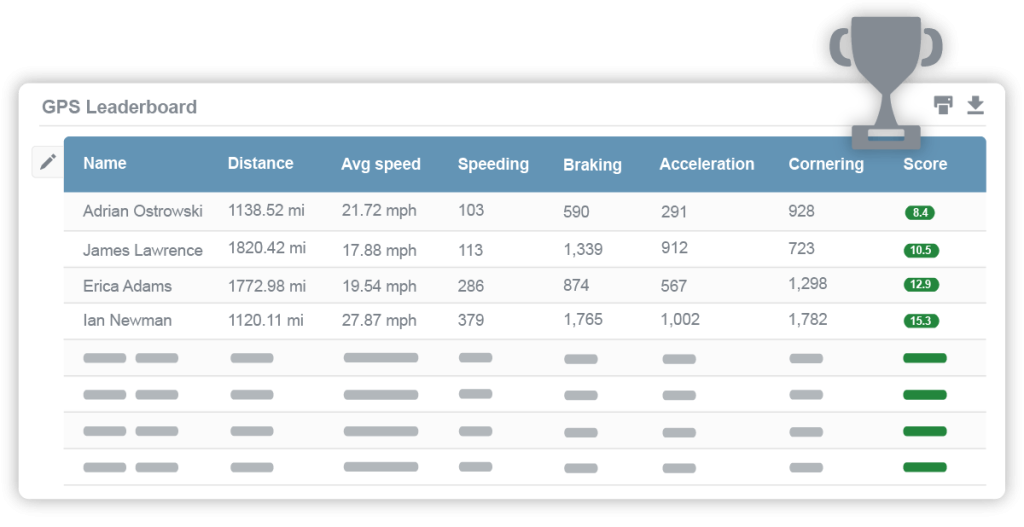
The best fleet management software encourages engineers to drive responsibly with detailed safe driving reports.
This ranks engineers based on real-time safety scores, closely monitoring habits like speeding, harsh braking, and rapid acceleration. Promoting best practices ensures your drivers represent your company professionally, while also helping prevent accidents and reduce harmful emissions.
Commusoft’s system stores your historical driving data for three months, providing a reliable digital record. Whether you need to verify site visits or review past routes, this information is critical for both optimising fleet performance and settling customer disputes.
Sends Customers Automated ETA Alerts
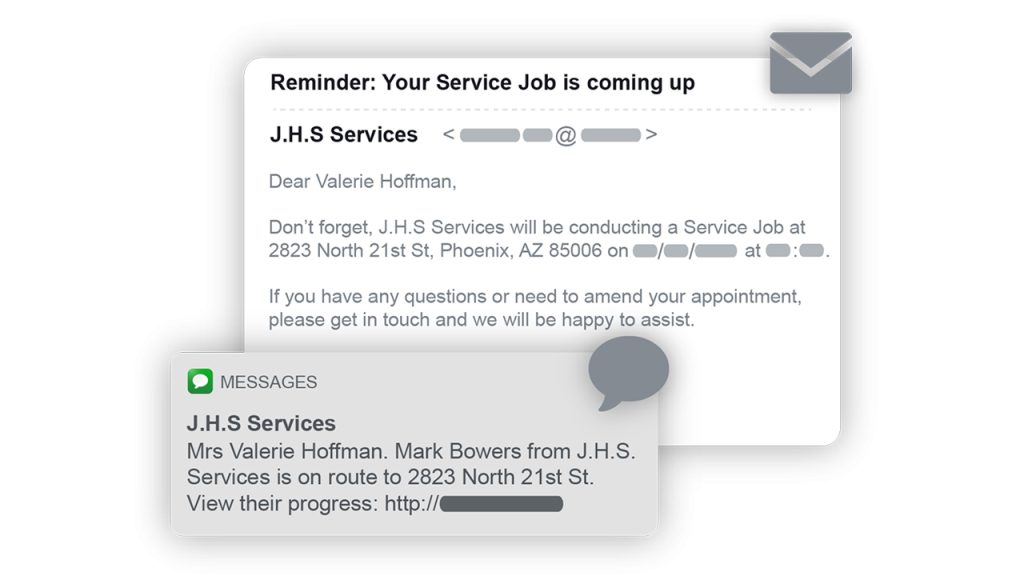
As you’ll know, customers appreciate prompt, reliable communications. That’s where automated ETA alerts and customer portals come in handy.
The system sends them a text or email when an engineer is en-route, which includes a link to a live map where they can track progress. This automation improves customer satisfaction and eliminates the need to phone the office for updates.
Keeping detailed records has the added benefit of protecting your business’ reputation. If a customer complains that an engineer didn’t show up, you have digital proof that resolves issues and secures your cash flow.
Automates Your Vehicle Maintenance
As we’ve seen above, controlling costs is a key priority for growing trades businesses. There’s lots of hidden costs to maintaining a fleet of vehicles out in the field, but common problems like unexpected downtime are less likely with the right tools.
Commusoft’s Fleet+ add-on includes tools for tracking and scheduling your maintenance, offering extra peace of mind for those looking to proactively schedule servicing and repairs.
The system automatically tracks mileage to trigger maintenance checks, such as oil changes, tyre checks, or routine inspections. This extends vehicle lifespan and reduces costly breakdowns, maximising uptime and keeping your budget healthy.
Dive deeper into the benefits of automation by downloading our free practical guide today! You’ll receive step-by-step advice, goal frameworks, and ready-to-use checklists that give you everything you need to transform your workflows.

Choosing the Right Fleet Management Solution
Moving on from what fleet management software is and its core functionalities, let’s shift our focus to the buying process. Here’s our tips for deciding on the right solution for long-term success:
- Outline Your Core Business Requirements
Define exactly what features you’ll need, such as vehicle routing, maintenance tracking, or intelligent dispatching. This way, you’ll have a clear idea if the software will deliver real value and can avoid expensive mistakes.
Also consider if the software is scalable and can realistically support your business long-term. The best solutions continuously innovate and evolve alongside your business, allowing you to expand operations without increasing your administrative overheads.
- Look for Native Integration with Job Management Software
The best fleet management tools are fully integrated into our job management platform. Dispatching is much more intuitive with an all-in-one system, removing the frustration of using separate, disconnected systems to organise your fleet.
Life’s also simpler for your engineers, too, as they don’t need to install a separate app to access its features. When they click ‘travel’, ‘arrive’, or complete other actions on-site, field service mobile apps use their phone’s GPS to deliver accurate job timestamps.
- Involve Employees in the Buying Process
Don’t forget that employee buy-in is often the difference between software solutions succeeding or failing. Involve your dispatchers and engineers early in the decision-making process, as they’ll be using the system most.
Once you make a decision, dedicated software training is a worthwhile investment. This confirms your team feels confident navigating the system, and can even lead to faster adoption.
Optimising Your Fleet with Commusoft
Ultimately, the key takeaway here is that fleet management software is essential for trades businesses with large mobile workforces, especially ones focused on growth.
From route optimising and live tracking, to detailed driver analysis and automated maintenance, vehicle management tools give you everything you need to seamlessly manage your operations.
If you want to learn more, explore our dynamic fleet management software by clicking the button below.







 English (United States)
  English (UK)