Welcome to the Commusoft Blog


Building Maintenance
Find articles focused on building maintenance insights and guidance.
View all (6)
How Commercial Property Maintenance Services Can Elevate Their Business
Discover software tools to help commercial property maintenance services thrive, boost operational efficiency and enhance revenue!

Guide to Creating a Property Maintenance Service Level Agreement!
Check out our guide to crafting the perfect property maintenance service level agreement that will help keep company safe and clients happy!

Contractor vs Subcontractor: What Soft Skills Do General Contractors Look For in Subcontractors
Here after the soft skills that make the biggest impact when it comes to contractors and subcontractors. Fortress Home share their insights!

10 Tips for Winning Facility Maintenance Contracts
Discover 10 tips to help you secure facility maintenance contracts and improve your strategy for winning work that's more profitable!
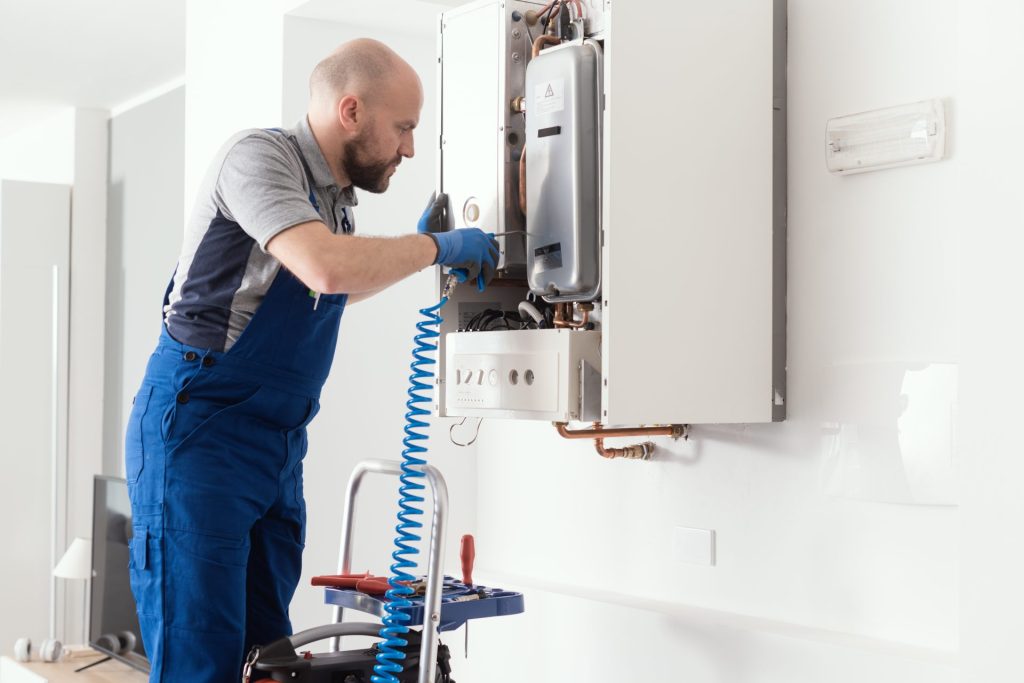
Managing Commercial Maintenance Contracts: A Guide to Software Solutions
Commercial maintenance contracts are essential for a field service business looking to expand revenue. Here's how software can support you…

Advice to Help Building Maintenance Services Sell More
Do you want to get more customers and grow your business? Check out these essential sales tips, specifically for for building maintenance services…
Customer Journeys
For articles giving guidance on how to improve customers interactions.
View all (3)
The Service Reminder Guide: Free Toolkit for Trades!
Streamline your services with our service reminder guide communication templates. Follow-up quickly, boost customer loyalty, and grow faster!

Tips for Field Service Businesses: How to Handle a Last Minute Cancellation
Managing a last-minute cancellation can be difficult if you’re not prepared, learn how to handle them in our blog!

How to Write the Best Appointment Confirmation Email Template
Learn how to craft the perfect appointment confirmation email that will boost customer satisfaction and save your team time.

How Does Software Support Commercial Generator Installation?
Learn how software simplifies commercial generator installation so you can manage projects more efficiently and impress high-value clients!

How to Start an Electrical Business: A Step-by-Step Guide
Discover our detailed guide on how to start an electrical business, attract high-value commercial clients and set yourself up for success.

How to Grow Your Electrical Business by Leveraging the Right Tech
Learn how to grow your electrical business with the right tools, helping you secure more customers and maximise your team’s efficiency.

5 Must-have Features of Electric Generator Maintenance Software
Discover the essential features of electric generator maintenance software that can save your business time and boost your team's productivity.

7 Best Refrigeration Software for Asset-Heavy Service Businesses
Discover features like asset tracking and PPM, and see why Commusoft leads as the best refrigeration job management software available!

Free Electrical Invoice Template and Guide
There are many benefits to using an electrical invoice template, here are some that could impact your business…

Finances
For content offerings readers insight about tools to help manage their finances.
View all (8)
Three Methods to Calculate Your Trade’s Service Call Fee
Here, we cover 3 methods to help you determine the best service call fee, that balances price, value, and profit!
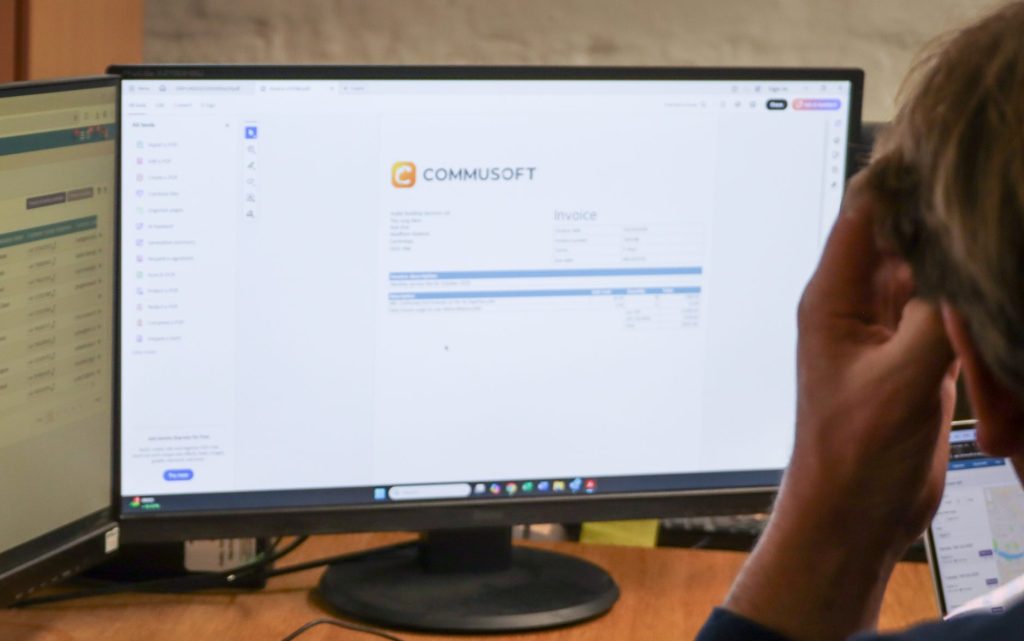
Standard Invoice Template: Invoicing for Field Services
Streamline your invoicing with our guide to creating a standard invoice template. Improve cash flow, today!

Creating Predictable Success with Monthly Recurring Revenue
Learn how to create and utilize maintenance agreements that bring monthly recurring revenue to your business.

How to Give an Estimate: 10 Tips for Field Service Businesses
Knowing how to give an estimate is essential for all trades business. We'll walk through how you can win more business with powerful quotes.

How to Cut Down on Inventory Carrying Costs
Learn more about what your inventory carrying cost is, what is included, and a few suggestions for lowering them.

The Contractor’s Pricing Guide to Running a Profitable Business
Learn how to price your services for maximum profit with our contractor pricing guide!

How to Create an HVAC Inspection Checklist
Empower your technicians and impress customers with this ultimate guide on creating an HVAC inspection checklist.
Best HVAC Software for Growing Service Businesses
Discover the best HVAC software solutions that streamline service management, boost efficiency, and enhance customer satisfaction.

Navigating Commercial Refrigeration Service Rates: What to Expect
Trying to calculate the service rates you should charge? Here's all you need to know…

HVAC Facebook Advertising 101: Featuring Expert Advice
Benefits and risks of HVAC Facebook advertising – all straight from the expert who grew his HVAC business to half a million in revenue!
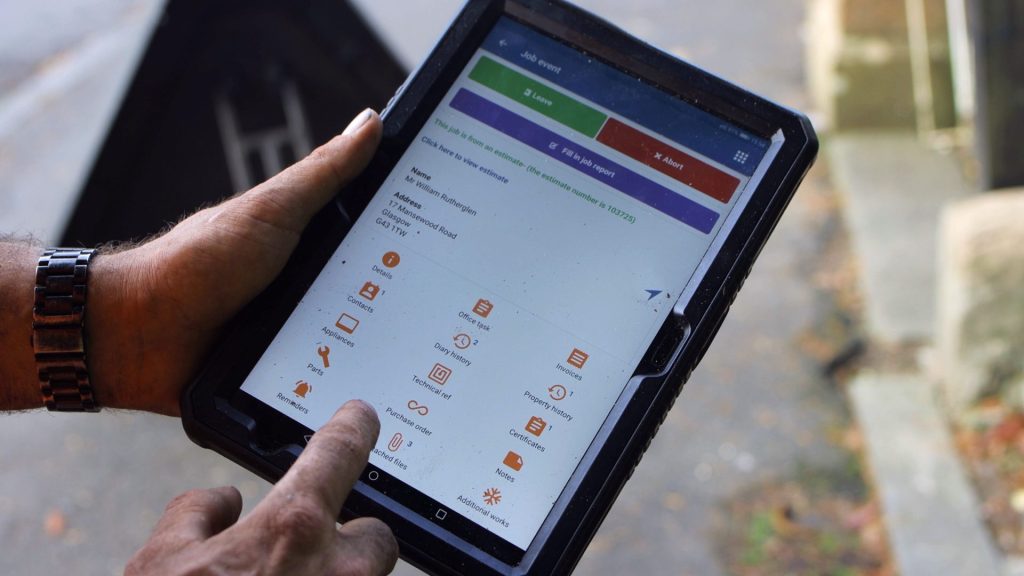
HVAC CRM: 8 Questions to Ask When Choosing Software
Evaluate HVAC CRM software with these questions to find the perfect fit for your business' needs and budget.
HVAC Project Management: Five Secrets to Finding Success
Learn how to use HVAC project management software so you can help your business scale successfully.
News & Updates
For Commusoft-specific insights, such as feature updates, releases, and events.
View all (2)
The Best Field Service Management Software for US Businesses in 2026
Are you looking for the best field service management software? Explore Commusoft and see why we're a step above the competition.
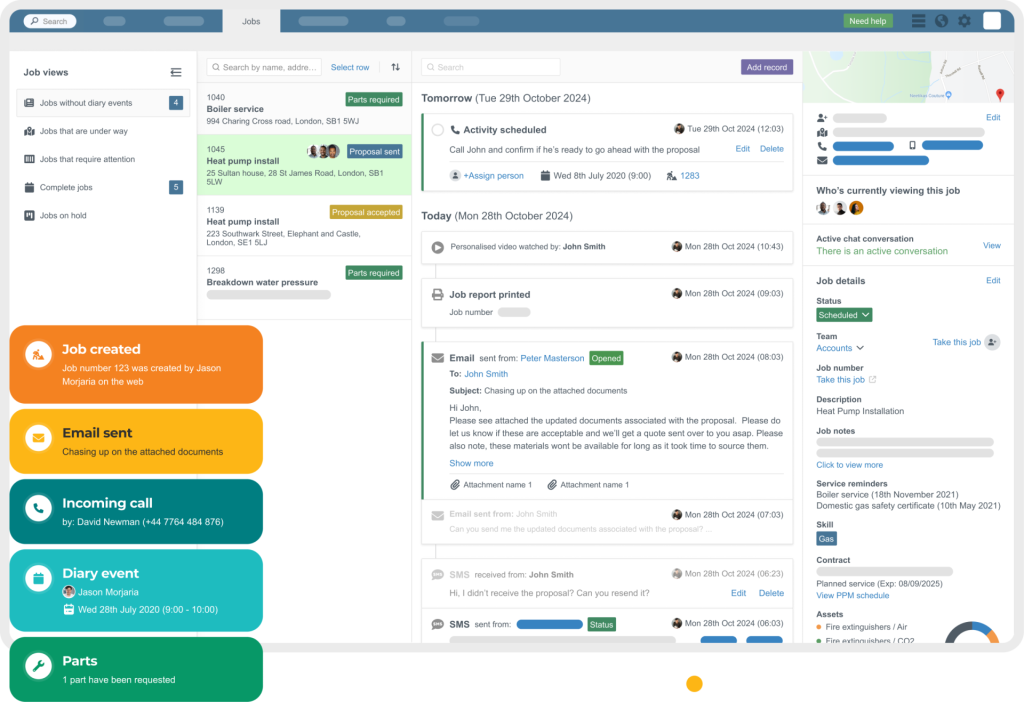
The Job Dashboard: How to Track Job Statuses with Commusoft
Commusoft's digital job dashboard helps businesses see, manage, and action every service-related administrative task. Explore how you can streamline your job management.

Questions You Should Ask During a Plumbing Interview
Discover important interview questions that will help you make create an excellent interview experience so you can start hiring better plumbers today!
Best Plumbing Tools for Maximizing Efficiency
Improve your plumbing business with the best plumbing tools. Explore 15 tools that will enhance your toolkit and support your team!

How To Generate and Convert More Plumbing Leads
If you're looking to grow your business, the first thing to do is learn how to get more leads…
How to Write a Plumbing Invoice: Your Guide for Pipework and Emergency Repairs
Learn how to write detailed invoice that will help your business to get paid faster and keep customers happy.
The Complete Guide on How to Become a Plumber
This complete guide to becoming a plumber will help you learn everything you need to know about the best course of action to get there.

Why You Should Have a Plumbing Blog & How to Write Content
A plumbing blog can have a big impact on your business, especially when it comes to attracting customers. Here's everything you need to know!
Selling
For content focused on helping businesses learn all about selling using software.
View all (8)
How to Create the Ultimate HVAC Price Book and Boost Sales
Explore this guide and see how building an efficient HVAC price book can elevate your service business with prices to help maximize your profits.

How to Build Sales Proposal Templates that Wins you Work
Do you know the difference between a sales proposal and a quote? Discover how trades businesses thrive with top-notch digital proposals!

Measuring Success with Sales KPIs and Reporting
Sales reporting and KPIs help trades businesses focus on what matters most. Discover how sales KPIs can dictate your company's future.

Sales Pipeline Management: Mastering Your Sales Pipeline
How does your trades business sell? A sales pipeline keeps everything under control, so your team can focus on bringing home larger profits.
The Ultimate Sales Strategy Guide: The Trades Guide to Selling
Use our sales strategy guide to help your trades business learn more about selling. Boost conversions and start to dominate your market!

HVAC Sales Process: The Role of the Buyer’s Journey
Looking to improve your HVAC sales process? The buyer's journey is an essential part in the process and this guide will walk you through it.
Software & Technology
For articles about general software advice specific feature explanations.
View all (10)
Off-the-Shelf Vs. Custom Software: Which Is Best for Your Business Needs?
Compare off-the-shelf vs. custom software to discover which solution best fits your business needs. Learn how to make the right choice.

Service Scheduling Software: Everything You Should Know About Scheduling and Dispatch
From efficient dispatching to managing customer satisfaction, service scheduling software has all the tools you need to transform operations.

Improving Renewable Energy Asset Management with Software
Learn the best strategies for improving your services and maximizing efficiency with renewable energy asset management software!

17 Field Service Metrics that Enable Business Growth
Learn about important metrics that will help you unlock greater business growth. Measure performance and drive profitability with these essential metrics!
Team Management
For articles giving guidance on managing people in the office and out in the field.
View all (5)
Hiring in Trades: Building Maintenance Technician Interview Questions
Are you hiring building maintenance technician? Here's the complete list of interview questions you need to be asking your candidates!

How to Effectively Manage Field Service Technicians
Learn how to efficiently manage your field service technicians with these practices to improve your productivity and customer satisfaction!

What Are The Most Common Field Technician Interview Questions?
Use this complete guide to help create a compelling interview and improve you hiring process, today!

Remote Work Tools: A Guide to Supporting your Field Service Business
Remote work tools are more important than ever in today's digital world. Seamlessly manage your business, wherever you're located…

How to Recruit and Retain HVAC Technicians
Discover tips to learn how to recruit HVAC Technicians. Learn how to overcome recruitment challenges and improve employee retention.
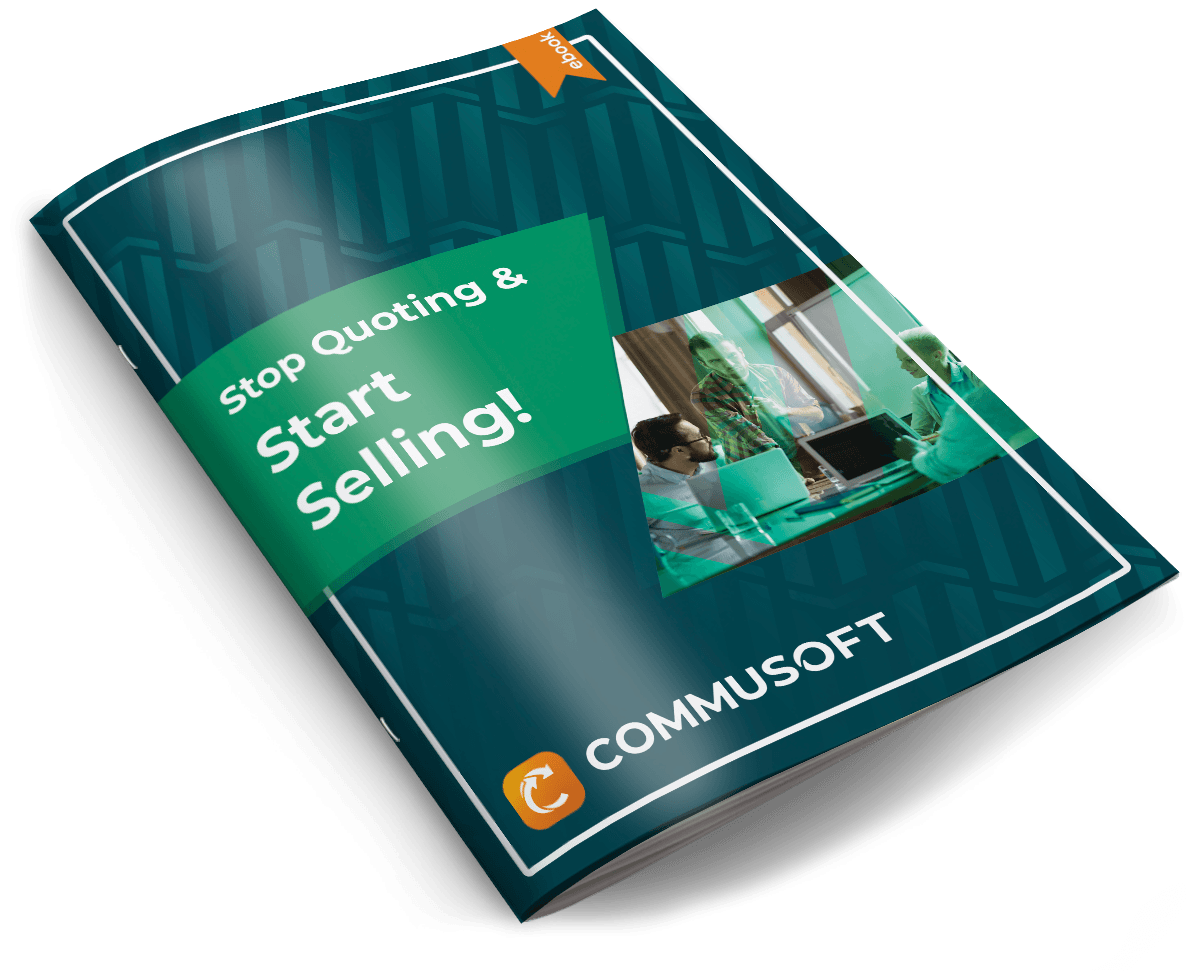
Stop Quoting, Start Selling!
Our detailed guide features the benefits of proposals over quotes and a brand new sales strategy for your business!
Download Now
How Does Software Support Commercial Generator Installation?
Learn how software simplifies commercial generator installation so you can manage projects more efficiently and impress high-value clients!
How to Create an HVAC Inspection Checklist
Empower your technicians and impress customers with this ultimate guide on creating an HVAC inspection checklist.
How to Grow Your Electrical Business by Leveraging the Right Tech
Learn how to grow your electrical business with the right tools, helping you secure more customers and maximise your team’s efficiency.
How to Start an Electrical Business: A Step-by-Step Guide
Discover our detailed guide on how to start an electrical business, attract high-value commercial clients and set yourself up for success.
Best HVAC Software for Growing Service Businesses
Discover the best HVAC software solutions that streamline service management, boost efficiency, and enhance customer satisfaction.
5 Must-have Features of Electric Generator Maintenance Software
Discover the essential features of electric generator maintenance software that can save your business time and boost your team's productivity.
The Best Field Service Management Software for US Businesses in 2026
Are you looking for the best field service management software? Explore Commusoft and see why we're a step above the competition.
Navigating Commercial Refrigeration Service Rates: What to Expect
Trying to calculate the service rates you should charge? Here's all you need to know…
Off-the-Shelf Vs. Custom Software: Which Is Best for Your Business Needs?
Compare off-the-shelf vs. custom software to discover which solution best fits your business needs. Learn how to make the right choice.
 English (United States)
  English (UK)